
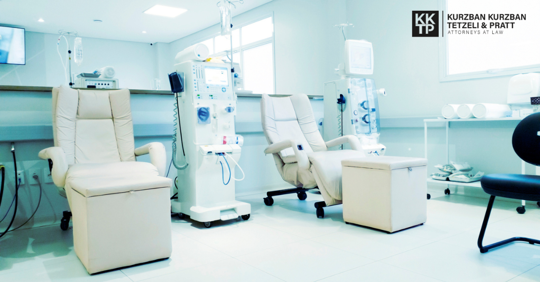
Starting dialysis can feel overwhelming. When kidney failure already leaves you feeling like so much is out of your hands, preparing for your dialysis appointments can help you feel more informed, more comfortable, and more in control. Dialysis is the end stage of kidney disease, and most patients can feel depressed and hopeless at this stage, but dialysis may not be the end.
Knowing your options
One of the first steps is understanding your treatment. There are two main kinds of dialysis.
Hemodialysis filters your blood through a machine, usually at a dialysis center three times a week for three to five hours at a time. This treatment uses an access point, often a fistula in the arm or sometimes a catheter in the neck, to connect the machine to your bloodstream.
Peritoneal dialysis works differently. It uses the lining of your abdomen to filter waste and can often be done at home, at work, or while traveling. Treatments are typically performed daily to maintain steady fluid and waste removal.
The type of dialysis you choose depends on several factors, including your kidney function, overall health, lifestyle, home environment, and personal preferences. Your provider will consider practical factors such as your ability to manage treatment at home, access to a dialysis center, and underlying health issues when recommending the best option for you.
Best Practices Before Starting Treatment
No matter which option you choose, preparing in advance can help ease anxiety and make treatment feel more manageable. Here are a few helpful tips.
Comfort is key. Because dialysis sessions can last several hours, dressing comfortably can make a big difference. Wear loose clothing that allows easy access to your treatment site. Bring an updated medication list, a blanket, and something to help pass the time, such as a book or headphones and a tablet.
Proper nutrition matters. What you eat and drink can directly affect how well treatment works and how you feel afterward. Limiting salt, phosphorus, potassium, and fluid intake can help prevent complications such as swelling, high blood pressure, and fluid overload. Additionally, while dialysis filters waste from the body, it can also remove protein, making it important to maintain healthy protein intake.
Exercise, alongside a kidney-friendly diet, can help you maintain a healthy weight, support muscle strength, and promote both physical and mental well-being. It is especially important for heart health, which is a key concern in chronic kidney disease (CKD), as CKD increases the risk of developing cardiovascular disease.
Nerves are normal. Mental preparation matters just as much as physical preparation. It is completely normal to feel anxious before starting treatment. Be sure to ask your care team questions, no matter how small they may seem. Bringing a trusted friend or family member to your appointment can also make the experience feel less daunting.
Always keep constant contact with your kidney doctor (nephrologists) and continue to monitor your options such as kidney transplant. ESRD (end stage renal disease) requires monitoring, treatment and communication.
At Kurzban Kurzban Tetzeli & Pratt, P.A., we represent patients who experienced worsening illness after their symptoms were ignored or dismissed by medical providers. If you’ve been ignored or dismissed after a medical mistake, you’re not alone. Contact our firm at +1 (877) KKTPLAW for a free, confidential consultation to explore your legal options. Your voice matters.